
Silicon Nitride vs. Alumina Ceramic Igniters: Which Is Better for High-Performance Heating Applications?
Introduction: Choosing the Right Ceramic Igniter for Efficiency and Durability
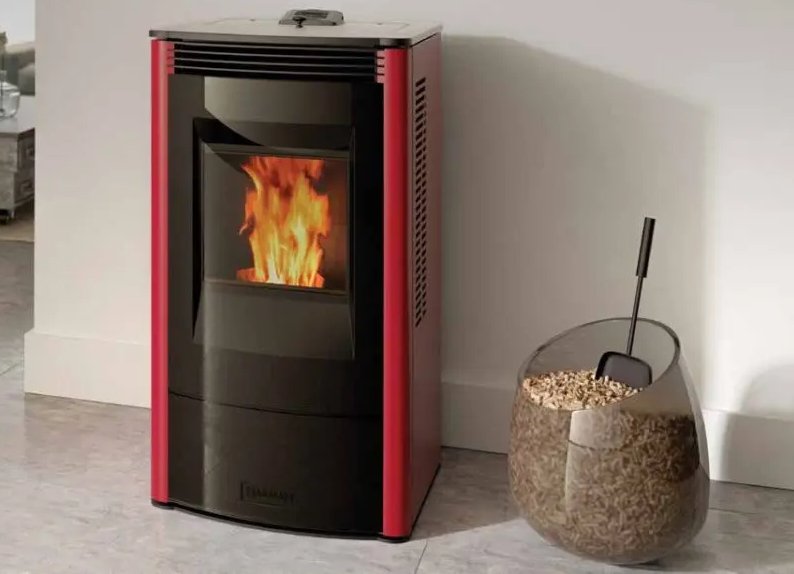
When selecting a ceramic igniter for industrial heating systems, the choice often comes down to two major materials: silicon nitride (Si₃N₄) and alumina (Al₂O₃). Both are widely used in applications such as pellet stoves, gas burners, boilers, and industrial furnaces.
However, their performance, lifespan, heating efficiency, and cost-effectiveness differ significantly. Understanding these differences is essential for engineers, OEM buyers, and equipment manufacturers aiming to optimize system reliability and energy efficiency.
1. Material Overview: Silicon Nitride vs. Alumina
Silicon Nitride Ceramic Igniters
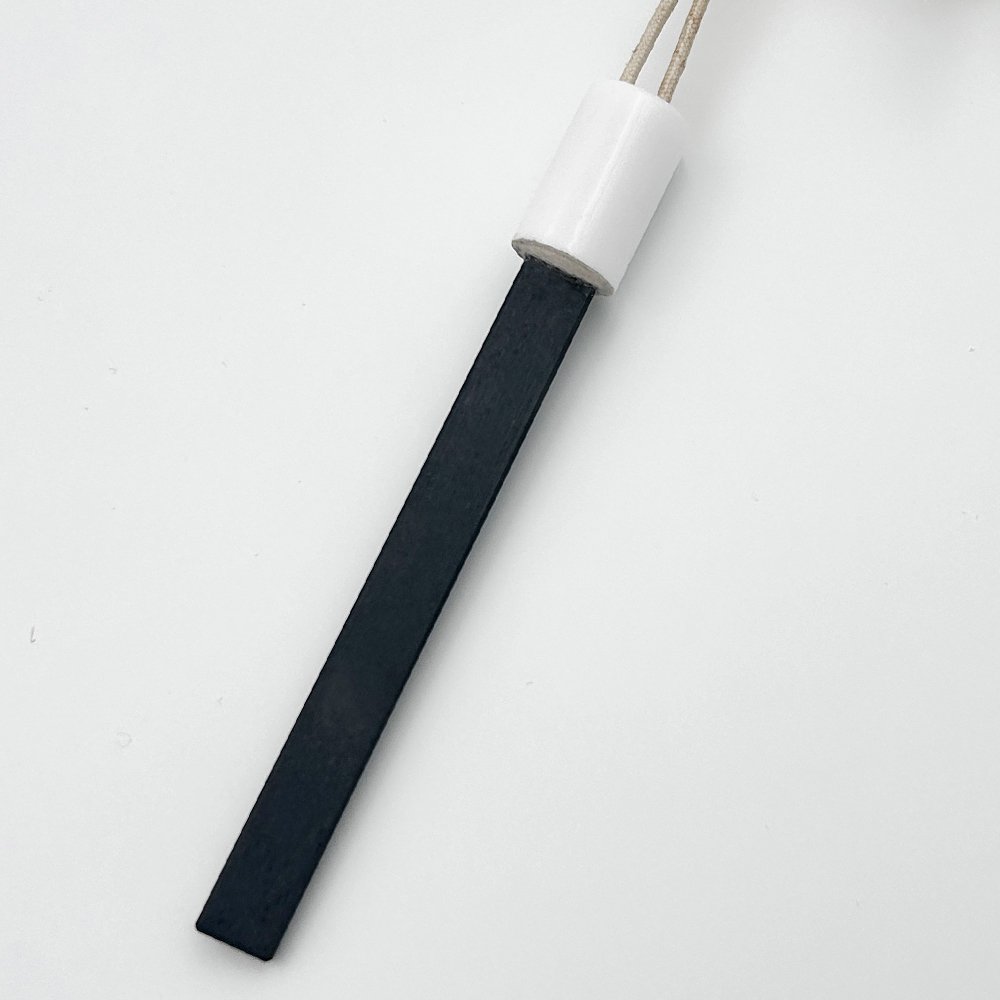
- Advanced structural ceramic with high strength and toughness
- Excellent thermal shock resistance
- Rapid heating capability
Alumina Ceramic Igniters
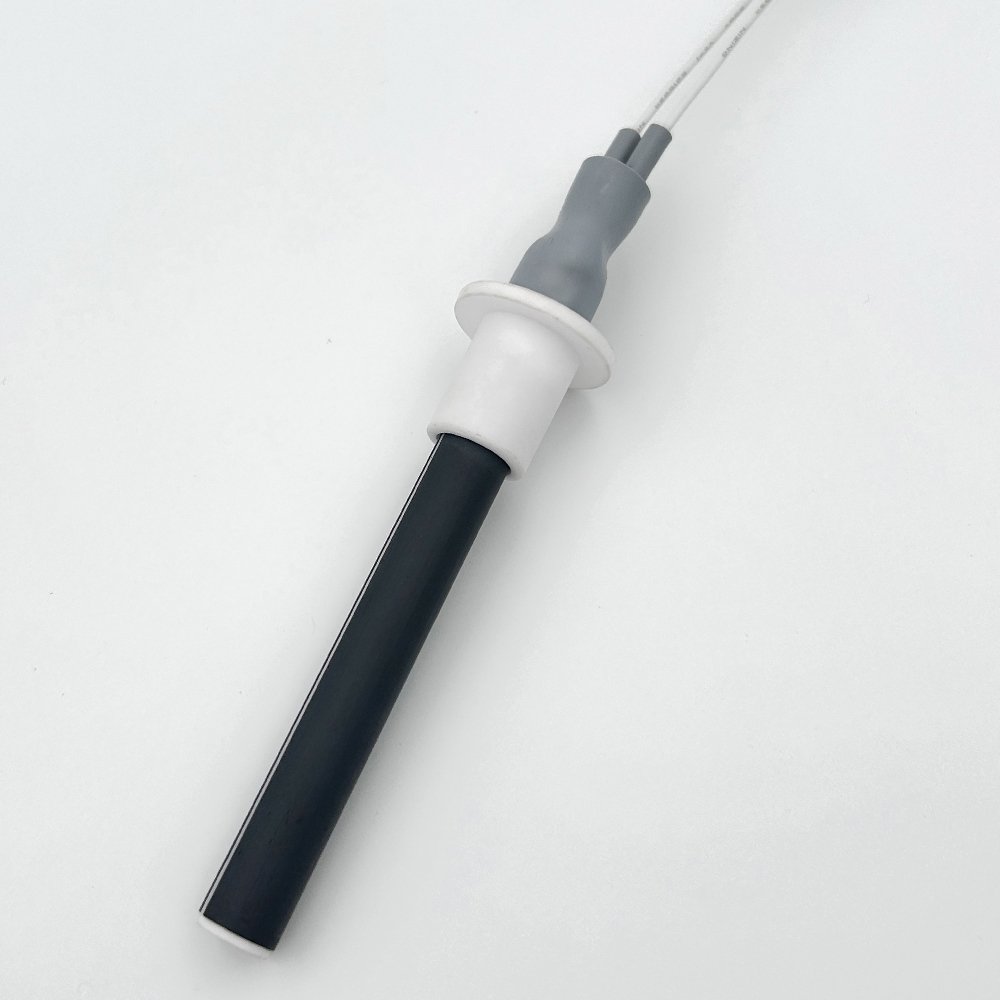
- Traditional ceramic material with good insulation properties
- Lower cost and widely available
- Moderate thermal resistance
2. Heating Speed and Energy Efficiency
One of the most critical differences lies in heating speed.
- Silicon Nitride Igniters
- Reach ignition temperature (800–1000°C) within seconds
- Reduce startup time significantly
- Lower overall energy consumption
- Alumina Igniters
- Slower heating rate
- Higher energy consumption during startup
- Less efficient in frequent on/off cycles
Conclusion:
Silicon nitride igniters are ideal for applications requiring fast ignition and energy savings.
3. Durability and Thermal Shock Resistance
Durability is a key factor in high-temperature environments.
- Silicon Nitride (Si₃N₄)
- Exceptional resistance to thermal shock and rapid temperature changes
- High fracture toughness
- Longer service life under cyclic heating
- Alumina (Al₂O₃)
- More brittle
- Prone to cracking under rapid heating/cooling cycles
- Shorter lifespan in demanding environments
Conclusion:
Silicon nitride significantly outperforms alumina in long-term reliability.
4. Maximum Temperature and Performance Stability
- Silicon Nitride Igniters
- Stable at temperatures up to ~1200°C
- Maintain mechanical integrity under extreme conditions
- Alumina Igniters
- High melting point but lower thermal shock tolerance
- Performance degradation over repeated cycles
Insight:
While both materials can handle high temperatures, silicon nitride maintains performance more consistently over time.
5. Mechanical Strength and Safety
- Silicon Nitride
- Higher mechanical strength and toughness
- Resistant to vibration and mechanical stress
- Lower risk of sudden failure
- Alumina
- Lower fracture toughness
- More fragile under mechanical impact
Result:
For industrial systems with vibration or movement, silicon nitride offers superior operational safety.
6. Cost vs. Total Value
- Alumina Igniters
- Lower initial cost
- Suitable for low-demand or budget-sensitive applications
- Silicon Nitride Igniters
- Higher upfront cost
- Lower replacement frequency
- Reduced maintenance and downtime
Key Perspective:
When considering total cost of ownership (TCO), silicon nitride often delivers better long-term value.
7. Typical Application Scenarios
Silicon Nitride Igniters
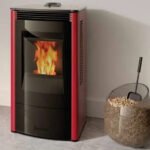
- Pellet stoves and biomass burners
- Gas boilers and industrial furnaces
- Automotive heating systems
- High-frequency ignition environments
Alumina Igniters
- Household appliances with lower duty cycles
- Cost-sensitive heating equipment
- Applications with minimal thermal cycling
Comparison Table: Silicon Nitride vs. Alumina Igniters
| Feature | Silicon Nitride (Si₃N₄) | Alumina (Al₂O₃) |
|---|---|---|
| Heating Speed | Very Fast | Moderate |
| Thermal Shock Resistance | ممتاز / Excellent | Low |
| Mechanical Strength | High | Moderate |
| Lifespan | Long | Shorter |
| Energy Efficiency | High | Lower |
| Initial Cost | Higher | Lower |
| Total Cost of Ownership | Lower | Higher |
Conclusion: Which Ceramic Igniter Should You Choose?
If your priority is performance, durability, and energy efficiency, the clear winner is silicon nitride ceramic igniters. They are particularly suitable for industrial, high-frequency, and high-temperature applications where reliability is critical.
On the other hand, alumina igniters remain a viable option for budget-conscious or low-demand applications.
Final Recommendation:
- Choose silicon nitride for long-term performance and reduced maintenance
- Choose alumina for lower upfront cost in simple applications
FAQs: Silicon Nitride vs. Alumina Ceramic Igniters
Q1: Why do silicon nitride igniters heat faster?
A: Due to their superior thermal conductivity and material structure, they can reach ignition temperatures in seconds.
Q2: Are silicon nitride igniters worth the higher cost?
A: Yes, especially in industrial applications where durability and efficiency reduce long-term costs.
Q3: Can alumina igniters replace silicon nitride igniters?
A: Only in low-performance or non-critical applications; they are not ideal for high-frequency use.
Q4: Which igniter lasts longer?
A: Silicon nitride igniters typically last significantly longer due to better thermal shock resistance and mechanical strength.